Thinking About a Knockdown Rebuild? Here's How the Process Works
If you love your neighbourhood but your home no longer suits your lifestyle, a Knockdown Rebuild could be the perfect solution. Rather than renovating around an older floorplan or moving away from the community you love, you can build a brand new home on the block you already own.
For many homeowners, though, the process feels unfamiliar. What happens first? When does demolition happen? And the big one - how long does it all take? Here's the full journey, step by step, with realistic timeframes for each stage.
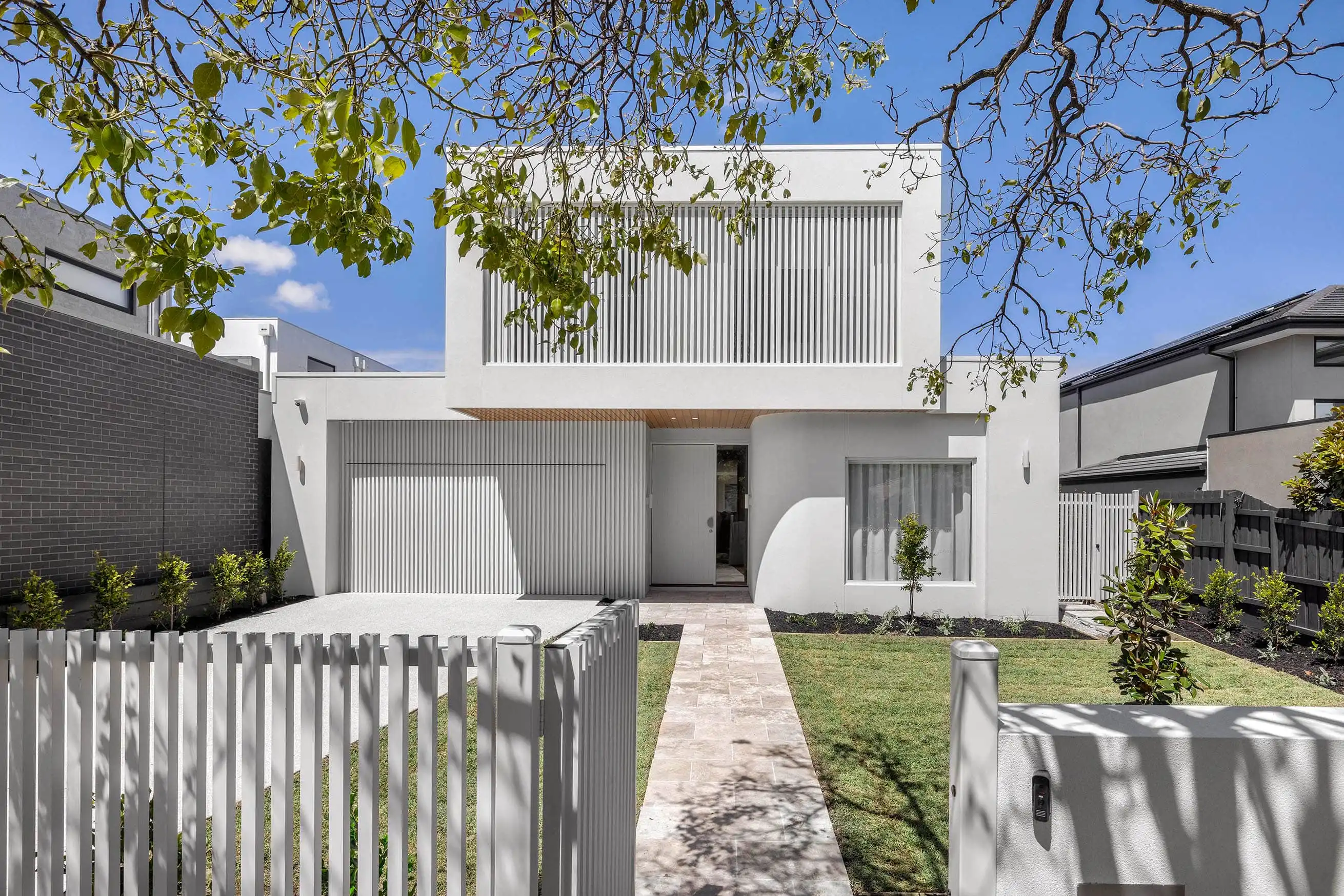
How long does a Knockdown Rebuild take?
Let's answer the most common question first.
From your initial assessment to moving into your new home, most Knockdown Rebuild projects take 18 to 24 months end to end. Here's how that typically breaks down:
Feasibility assessment: 1-2 weeks
Design and pricing: 4-8 weeks
Planning, permits and approvals: 3-6 months
Demolition & Site Preparation Typical timeframe: Around 10–12 weeks, including:
Demolition permit: 6–8 weeks
Service disconnections: Approximately 4 weeks
Demolition works: Around 5 days on site
Construction: 10-14 months
Every block and every council is different, so we'll always give you a timeline specific to your project.
Now, let's walk through what happens at each stage.
Step 1: Free feasibility assessment (1-2 weeks)
A multigenerational home is designed to accommodate multiple generations of a family living together. It typically combines shared spaces such as kitchens, dining and family rooms with private bedrooms, bathrooms and living zones.
There is no single floor plan that defines a multigenerational home. Some families may prefer a mostly shared home with additional bedrooms and bathrooms, while others may benefit from a dual-living-style-layout with more distinct living zones.
The right design depends on your family, block, lifestyle and how much privacy and independence each generation wants.
Block size, dimensions and orientation
Along with which designs will physically fit and make the most of natural light
Site conditions
Such as slope, soil and drainage, which affect site costs
Easements
These are sections of your land reserved for services like drainage or power, which can limit where you can build
Planning overlays
Extra council rules that apply to some blocks, covering things like heritage, vegetation or flooding
Council requirements
Every council applies planning rules slightly differently
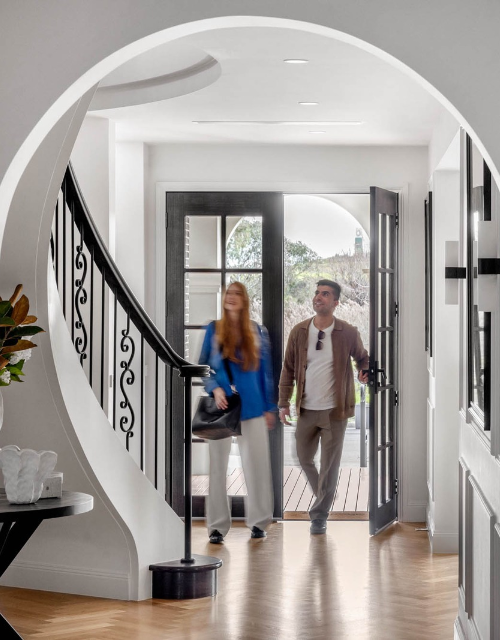
We'll also spend time understanding your goals. More space for a growing family? Your forever home? A future investment? Knowing both your site and your objectives lets us recommend the right pathway forward.
Step 2: Choose your home and understand the costs (4-8 weeks)
Once we've confirmed your block is suitable, it's time for the exciting part.
You'll choose a home design that suits both your lifestyle and your land. During this stage you'll also:
Personalise your floorplan
Select your facade
Explore internal finishes and inclusions
Receive detailed pricing
Our goal is clarity before construction begins so you'll understand exactly what's included and what your investment looks like, with no surprises down the track.
Step 3: Planning, permits and paperwork (typically 3-6 months)
This is the stage people worry about most and the one where having an experienced builder matters.
Most Knockdown Rebuilds involve up to three separate approvals:
A demolition permit - always required before your existing home can come down
A building permit - always required, confirming your new home complies with building regulations
A planning permit - only required in certain situations, such as when your block has planning overlays or your design varies from standard planning rules
Not every project needs a planning permit and that distinction matters, because it's the planning permit process that can involve notifying neighbours. We cover this in detail in our guide to planning permits
Whatever your project needs, we coordinate the approvals, engineering documentation and council requirements on your behalf.
Step 4: Demolition (around 10-12 weeks)
Once approvals are complete, your existing home is demolished.
Before machinery arrives, services are disconnected and the site is secured. The demolition itself is surprisingly quick, often just a few days, followed by site clearing and levelling.
For many families this is an emotional milestone: the end of one chapter and the beginning of another. We've written a full guide to [what happens during demolition](#), including what you can salvage and keep.
Step 5: Construction (typically 10-14 months)
Now your new home starts to take shape. You'll see progress through every stage:
1. Site preparation and slab
2. Frame
3. Lock-up (roof, walls and windows complete)
4. Internal fit-out
5. Finishes and final touches
6. Practical completion - the final inspection stage before handover
Throughout construction you'll receive regular updates as your new home comes to life.
Step 6: Welcome home
The best part? You don't have to leave behind the life you've built.
The same cafe. The same parks. The same neighbours. The same school run.
Just a home that's designed for the way you live today.
That's what it means to Build Where You Already Belong.
Common questions
Where do we live during the build?
Most families rent nearby for the duration of demolition and construction is typically 10-14 months. It's worth factoring rental costs into your budget from the start, and we'll help you plan realistic timing so you're not paying rent longer than you need to.
Is a Knockdown Rebuild cheaper than buying something already done
It depends on your circumstances. Moving typically involves stamp duty, agent fees and moving costs, which on an established home can add up to well over $100,000 before you've improved your living situation at all. A Knockdown Rebuild puts that money into your home instead. We'll help you compare the numbers for your situation.
Is it better than renovating?
This comes down to scope. A new build can be better value than a large renovation if you’re looking to completely change the footprint of our home or looking to do a large-scale renovation. You get a new home warranty, modern energy efficiency, and a design built exactly how you want it.. Smaller changes, though, may still favour renovation. It comes down to how much needs to change.
Can I keep living in my home during the early stages?
Yes, you stay in your home throughout the feasibility, design and approvals stages. You’ll need to move out before your services can be abolished however.
Ready to find out what's possible?
Every block is different. Book a free feasibility assessment and we'll help you understand what's possible on your site including likely timeframes, approvals and costs before you make any decisions.