Buying Off the Plan: Benefits, Risks and What to Consider
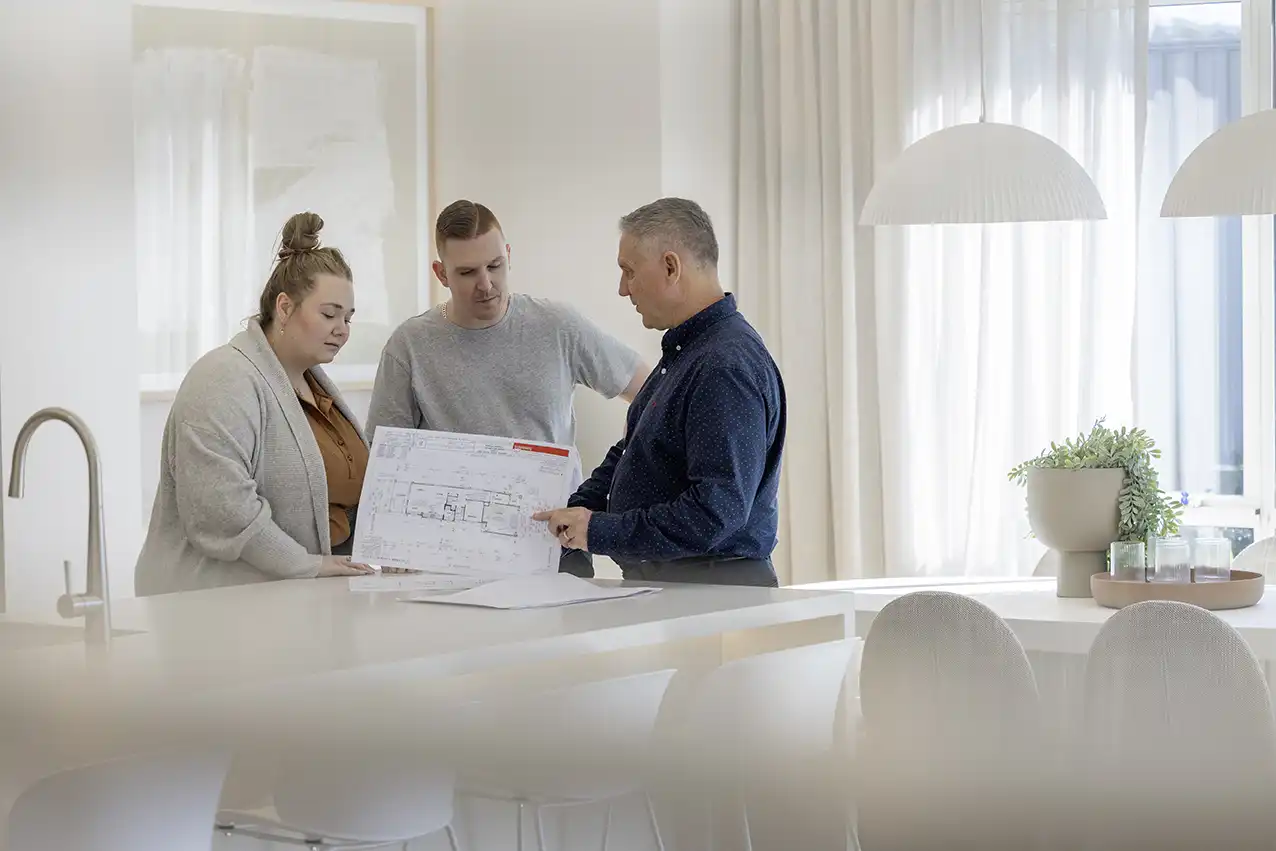
Buying a home off the plan means purchasing a new property before construction is complete. Instead of inspecting the finished home, you'll typically make your decision based on plans, specifications, floor plans, renders and other information about what the completed home is expected to look like.
For some buyers, an off-the-plan home can be an opportunity to secure a brand new property and have time to prepare before construction is complete. However, it's important to understand how the process works and consider the potential risks before signing a building contract.
What does it mean to “buy off the plan”?
Buying off the plan means purchasing a new home or property before construction is complete, based on plans, specifications and other information about the proposed finished property. Depending on the project, construction may not have started or may already be underway when you purchase.
How does buying off the plan work?
The buying off the plan process generally involves several stages.
1. Find an off-the-plan home
Start by finding a new home or development that suits your location, budget, lifestyle and preferred design. Depending on the project, you may be able to view a display home, floor plan, renders, specifications or other information about the proposed property.
2. Review the plans and inclusions
Before committing, make sure you understand what you're buying.
Review the:
Site plan
Inclusions
Fixtures and finishes
Specifications
External materials
Landscaping and outdoor inclusions
Any upgrades or additional costs
3. Arrange your finance
Speak with your lender or finance professional about how an off-the-plan purchase will work with your borrowing arrangements. It's important to understand when your finance will need to be confirmed and whether your circumstances could change between signing the contract and settlement.
4. Sign the contract and pay the required deposit
If you decide to proceed, you'll enter into the relevant contract and pay the required deposit according to its terms. Because off-the-plan contracts can involve significant time between signing and completion, it's important to understand the contract before signing. Independent legal advice can help you understand your rights and obligations.
5. Construction begins
Once the relevant requirements are met, construction can proceed. The timeframe will depend on factors such as the home, development, site, approvals, construction program and other circumstances.
6. Construction is completed
Your new home is completed in accordance with the relevant plans, specifications and contract. There may be inspections, approvals and other requirements before settlement.
7. Settlement
Once the relevant requirements have been met, settlement can occur and you can take ownership of your new home. The exact process and timing will depend on the contract and the state or territory where you're purchasing.
What are the benefits of buying off the plan?
There are several reasons buyers consider an off-the-plan home:
Buy a brand new home
A new home can provide modern design features, new fixtures and finishes, and the opportunity to choose a home designed around contemporary lifestyles.
Secure an agreed purchase price
When you enter into a contract, the purchase price is generally agreed at that point, which can provide greater certainty about the agreed purchase price during the construction period.
Have more time to prepare
Depending on your circumstances, this could give you more time to organise your finances, plan your move, sell an existing property or prepare for settlement.
Choose from new developments
For buyers looking for a new home, this can provide more choice around location, home design and available house and land packages.
Opportunity to personalise your new home
Depending on the stage of construction, you may have opportunities to select certain finishes, fixtures, colours or other design options. The choices available will depend on the home, contract and construction stage, so make sure you understand which selections are included and which may cost extra.
What are the risks of buying off the plan?
Buying off the plan can offer benefits, but it's important to understand the potential risks:
Possible construction delays
The completion date may change due to factors affecting construction, approvals, materials, labour, weather or other circumstances.
You can't inspect the finished home before signing the contract
When buying off the plan, you generally rely on plans, specifications, renders, display homes and other information provided about the proposed home.
Plans or specifications may change
Changes can sometimes occur during the development or construction process. Review the contract carefully to understand how changes are dealt with and what happens if the completed home differs from the original plans or specifications.
Property values can change
The property market can move between the time you sign your contract and settlement. The finished property may be worth more or less than the price you agreed to pay. You should therefore avoid assuming that buying off the plan will automatically result in a capital gain.
Finance can change
There may be a significant period between signing an off-the-plan contract and settlement. Your financial circumstances, lending policies, interest rates or the value of the property may change during this period.
Contracts can be complex
Off-the-plan contracts can contain provisions relating to completion dates, variations, settlement and other matters that don't apply in exactly the same way to an established property.
What should you consider before buying off the plan?
Before committing to an off-the-plan home, consider the following:
The total purchase price
Make sure you understand what is included and whether there are additional costs.
The inclusions
Check exactly what fixtures, finishes, appliances and other items are included.
The plans and specifications
Understand what the completed home is expected to look like.
The construction timeframe
Ask when construction is expected to begin and finish.
The contract
Understand the terms, conditions and provisions that could affect your purchase.
Your finance
Confirm how your lender will assess and structure finance for the purchase.
Your deposit
Understand how much you need to pay and when.
Settlement
Understand when settlement is expected and what needs to happen before it can occur.
Potential changes
Find out how changes to plans or specifications are handled.
Your circumstances
Consider whether you're comfortable waiting for the home to be completed.
Before you sign: an off-the-plan purchase can involve a significant period between signing the contract and moving into your new home. Take the time to understand the plans, inclusions, contract, finance and expected timeframe before committing. Consider speaking with an independent solicitor or conveyancer before signing your contract.
How does finance work when buying off the plan?
Finance for an off-the-plan purchase can require additional planning because there may be a significant period between signing the contract and settlement.
Your lender will assess your circumstances and the specific purchase according to its lending requirements. Depending on the type of purchase, you may also need to consider how your borrowing capacity, income, expenses, interest rates and property value could change before settlement.
Before signing an off-the-plan contract, speak with your lender or finance professional about:
How much you can borrow.
How your deposit will work.
When finance needs to be formally approved.
How long your finance approval remains valid.
What happens if settlement is delayed.
What happens if your financial circumstances change.
Note: State and territory requirements can differ. Contract, property, finance, tax and settlement requirements may vary depending on where you're buying. Check the terms of your specific contract and seek independent legal or financial advice where appropriate.
Finance tip: don't assume that an approval today will automatically remain unchanged until settlement. Ask your lender how changes in your circumstances, lending criteria or the property's value could affect your finance.
Off the plan vs established home: What's the difference?
Both options can provide a pathway to home ownership, but the buying experience is different.
Consideration | Off-the-plan home | Established home |
|---|---|---|
Property condition | Yet to be completed | Already built |
Inspection | Plans, specifications and display homes where available | Finished property |
Move-in timeframe | Wait for construction and settlement | Usually available sooner |
Design | New design and potentially some selections | Existing design |
Maintenance | New home | Condition varies with age |
Certainty about finished property | Based on plans and specifications | Can see the completed property |
Construction risk | Completion and construction need to occur | Construction already complete |
Market exposure | Value may change before settlement | Purchase and settlement are generally closer together |
Neither option is automatically better. The right choice depends on your budget, timeframe, preferences and comfort with the different risks and benefits.
Is buying off the plan worth it?
Buying off the plan can be worth considering if you want a brand new home and are comfortable waiting for construction to be completed.
It may suit buyers who value a new home, modern design, access to new developments and additional time to prepare before moving in. However, it's important to weigh these benefits against potential risks, including construction delays, changes to plans or specifications, finance requirements and movements in property values.
Whether it's right for you will depend on your budget, timeframe, financial circumstances and comfort with purchasing a home before it's completed.
Frequently asked questions
What is an off-the-plan house or property?
An off-the-plan house is a new home that has not yet been completed. Buyers purchase the home based on plans, specifications and other information about the proposed finished property.
How long does an off-the-plan home take to build?
The timeframe varies depending on the home, development, site, approvals, construction program and other factors. Ask your builder or developer for the expected construction and completion timeframe and understand how the contract deals with delays.
Is it cheaper to buy off the plan?
Not necessarily. The price of an off-the-plan home depends on factors such as location, design, land, inclusions, market conditions and the specific development. Buying off the plan should not automatically be assumed to be cheaper than buying an established home.
What deposit do you need to buy off the plan?
The deposit required depends on the purchase, contract and applicable state or territory requirements. Because deposit rules can vary, check the specific contract and obtain professional advice before signing.
Can you negotiate when buying off the plan?
The extent to which you can negotiate depends on the seller, builder or developer, the property and the terms of the contract. When you buy off-plan property, you may be able to negotiate aspects such as price, inclusions or other contract terms, but this isn't guaranteed.
What happens if construction of an off-the-plan property is delayed?
If construction or completion is delayed, the outcome will depend on the terms of your contract and the applicable laws. Before signing, understand the expected completion date, how extensions are handled and what rights you have if the project is significantly delayed.
Can I make changes to an off-the-plan home?
Potentially. The changes you can make will depend on the builder, home design, construction stage and contract. If selections or changes are available, confirm which options are included in the purchase price and which may incur additional costs.
Can you sell an off-the-plan property before settlement?
Whether you can sell or transfer an off-the-plan property before settlement depends on the terms of your contract and applicable laws. Some contracts may restrict assignment or require the seller's consent. If you're considering selling before settlement, seek independent legal advice and check the specific terms of your contract.
Is buying off the plan a good option for first home buyers?
It can be. Buying off the plan may appeal to first home buyers who want a new home and are comfortable waiting for construction to finish. However, first home buyers should carefully consider their finance, deposit, timeframe and the terms of the contract before committing.
Is buying off the plan a good investment?
An off-the-plan property may be considered as an investment, but future rental income and capital growth aren't guaranteed. Investors should independently assess the property's location, price, expected costs and potential returns and seek appropriate financial and tax advice.
Buying an off-the-plan home with Simonds
If you're considering building a new home, Simonds offers a range of home designs and house and land packages across Australia. From choosing your home design through to construction and completion, understanding what is included in your purchase and how the building process works can help you make a more informed decision.
Explore Simonds home designs and house and land packages to find an option that suits your location, lifestyle and budget.