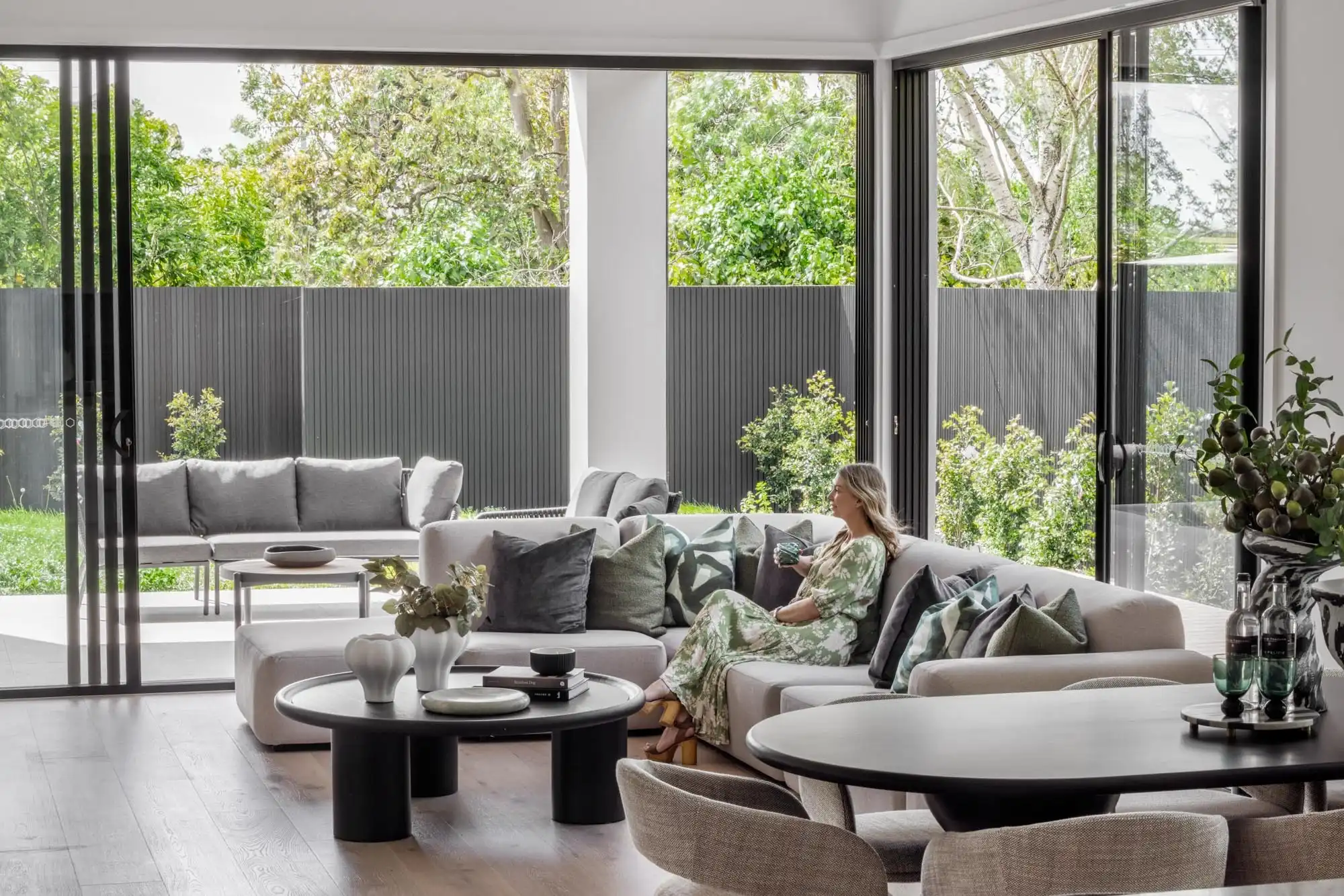
Dual Occupancy: A Smart Move for 2026's Changing Tax Landscape
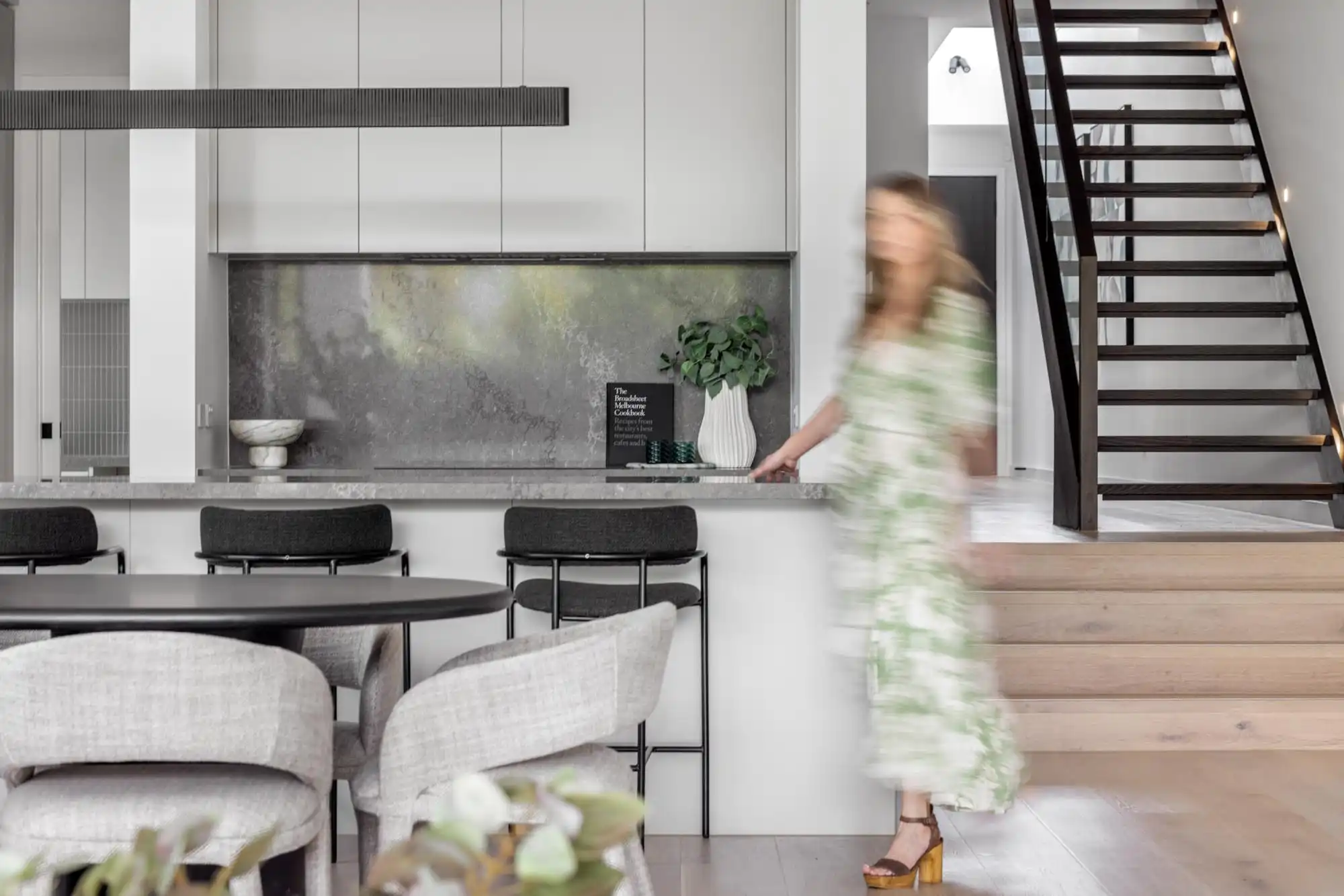
For years, dual occupancy developments have been a popular way to unlock value from existing land. Now, following the Federal Government's proposed changes to negative gearing and capital gains tax, 2026 may present an even stronger case for homeowners and investors considering a dual occupancy project.
A Shift Towards New Housing
Under the proposed reforms, tax benefits such as negative gearing and capital gains tax concessions look set to become increasingly focused on newly created housing.
Under the proposed reforms, tax benefits such as negative gearing are intended to be directed towards developments that increase housing supply. Treasury guidance indicates that projects creating additional dwellings may qualify as new housing, whereas replacing one dwelling with another generally would not. As the legislation is still progressing, individual circumstances may vary. Source: Australian Government 2026–27 Budget – Tax Reform Fact Sheets (budget.gov.au).
For investors and homeowners, this creates a meaningful shift in how residential property opportunities are assessed.
Why Dual Occupancy Stands Out
Dual occupancy sits in a unique position. Rather than purchasing another investment property, homeowners can unlock value from land they already own by adding a second dwelling to their existing site.
This can create opportunities to:
Generate rental income
Create housing for family members
Increase overall property value
Retain ownership of both dwellings
Sell one dwelling while keeping the other
Build long-term wealth through existing land holdings
In an environment where new housing is likely to attract greater attention from investors, dual occupancy offers a practical pathway to deliver additional supply, and Simonds has the experience to guide you through it from concept to completion.
The Supply Challenge Isn't Going Away
Australia continues to face a significant housing shortage. Population growth has consistently outpaced the delivery of new homes, contributing to low vacancy rates, rental pressure and affordability challenges across many parts of the country.
Governments are increasingly looking for ways to encourage the delivery of new housing. Dual occupancy developments offer one solution by creating additional homes within established suburbs, close to existing infrastructure, schools, transport and employment centres.
Making Existing Land Work Harder
Many Melbourne homeowners are sitting on substantial land value that may be underutilised. Blocks that once accommodated a single family home may now have the potential to support two.
For homeowners, this can create opportunities without needing to purchase additional land or relocate from the communities they already know and love. In many cases, dual occupancy allows families to stay where they are while building greater flexibility for the future.
Not Just for Investors
While much of the discussion around the Budget has focused on investors, dual occupancy also appeals strongly to owner-occupiers. Common uses include:
Housing adult children
Creating accommodation for ageing parents
Generating additional income
Downsizing without leaving the neighbourhood
Creating future financial flexibility
The ability to adapt to changing family needs is one of the reasons dual occupancy continues to grow in popularity across Melbourne.
Is Your Property Suitable?
Not every block will suit a dual occupancy development, but many homeowners are surprised by what's possible. Factors such as block size, frontage, zoning, access and the position of the existing dwelling all influence development potential.
The first step is understanding what opportunities exist on your site, and that's where the Simonds team comes in.
Looking Ahead
While the full impact of the proposed tax reforms will become clearer over time, one trend is already emerging: governments want more new homes delivered. For homeowners and investors considering their next move, dual occupancy may offer a way to align with that direction while unlocking the value of land they already own.
As the market adjusts to the changing investment landscape, 2026 could prove to be a pivotal year for dual occupancy development. Talk to Simonds today to find out if your property is dual occupancy ready.